Bring Science to Life
Make sense of molecules, chemical reactions, and physics with visual models and simulations you can run.
Chemistry, biology and physics explained by voice, with diagrams, 3D models and simulations you can run.
Try for Free























Simulations you can run, 3D models you can turn and diagrams drawn as Polar talks: AI science help you can see.
Make sense of molecules, chemical reactions, and physics with visual models and simulations you can run.
Understand complex ideas with diagrams, maps, timelines, charts, and code examples.
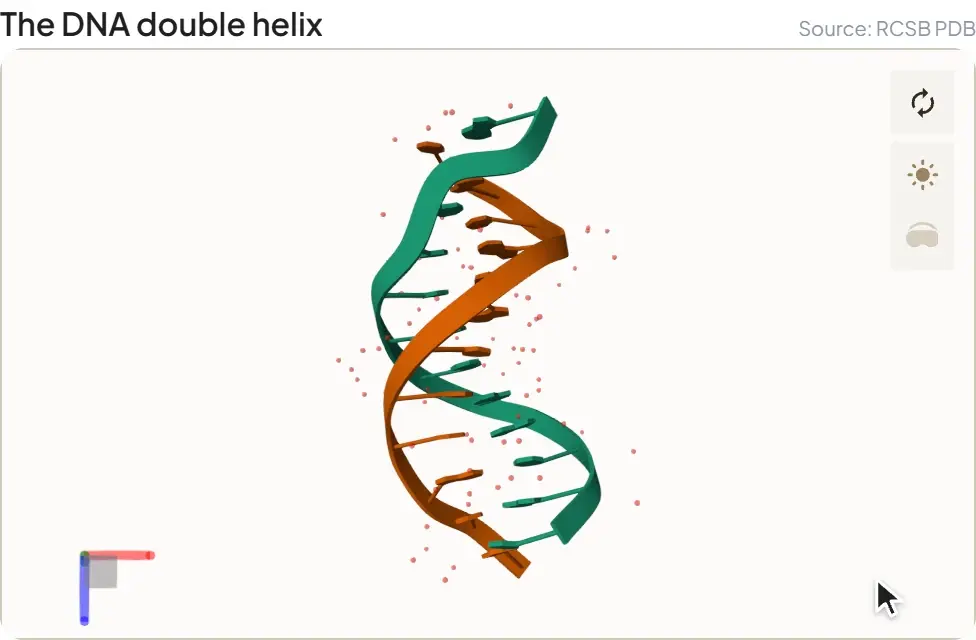
When a picture isn't enough, your tutor puts a real 3D model on the board, like a DNA double helix, for you to rotate and explore.
Here is one biology lesson with your AI science tutor: Polar explains on the whiteboard, puts a real 3D model of DNA in your hands and checks what you understood.
Step 1
Ask out loud or type it: what holds DNA together? Polar starts with the big picture and puts a real 3D model of the DNA double helix on the whiteboard.
On the whiteboard: the DNA double helix, in 3D
Step 2
Drag to turn it. End-on, DNA looks like a ring; side-on, you see two strands twisting around each other, joined by pairs of bases.
On the whiteboard: two strands twist into a double helix
Step 3
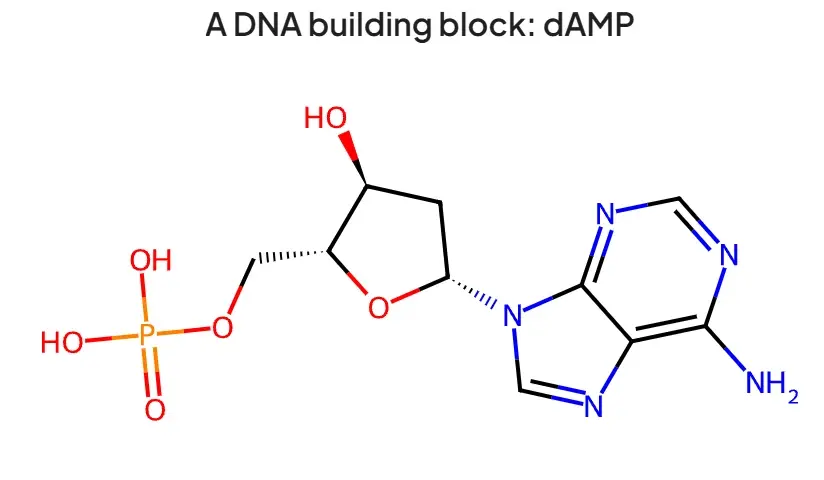
Polar draws one nucleotide, dAMP: a phosphate, a deoxyribose sugar and the base adenine. Sugars and phosphates make each strand's backbone, and the bases face inward to pair.
On the whiteboard: phosphate + deoxyribose + adenine
Step 4
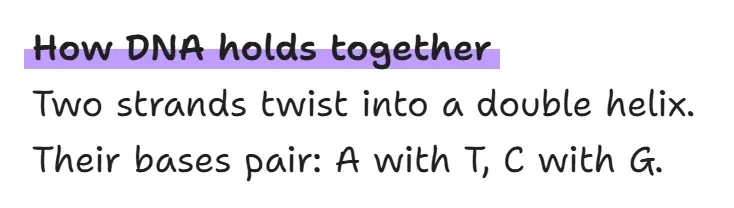
Polar writes the rule on the board: A pairs with T, and C pairs with G. Then it asks which base pairs with C, and you tap your answer and press Check.
On the whiteboard: A with T, C with G
Everything you need to know about learning with StudyPolar.
Yes. StudyPolar's AI science tutor teaches chemistry, biology and physics step by step on a live whiteboard, with the visual each idea needs: a diagram, a 3D model or a simulation you can run. It asks you questions as it goes and explains the idea another way when you're stuck.
Biology, chemistry and physics at school and university level, alongside subjects like math, geography and computer science. Polar uses visuals that fit the topic, such as diagrams, scientific models, simulations and charts.
Yes. Ask about a problem by voice or by typing, or upload it as a PDF or a photo, and Polar works through it with you step by step on the whiteboard, asking what comes next instead of simply giving you the answer.
Yes. When a picture isn't enough, Polar puts a real 3D model on the whiteboard, like the DNA double helix, and you can rotate it to see it from every side.
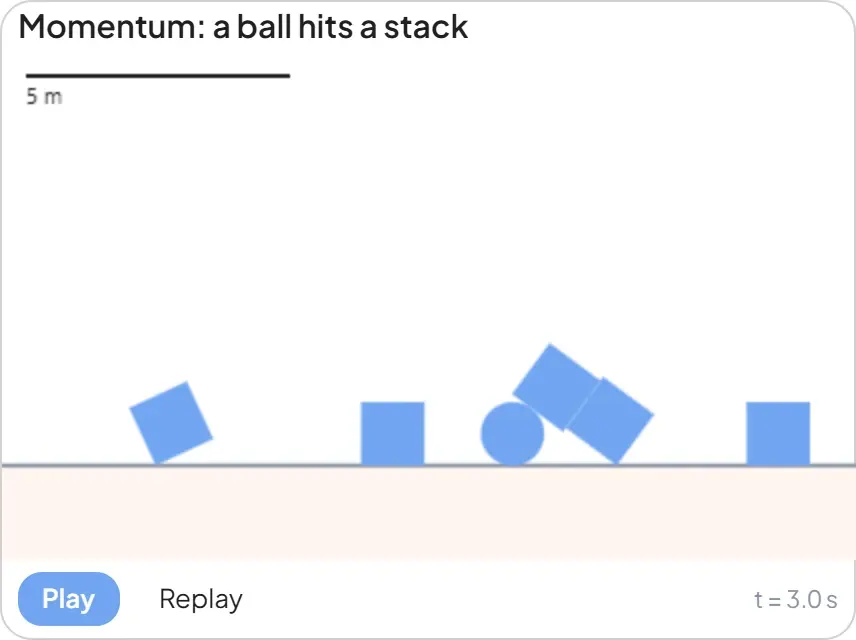
Yes. Polar can put a simulation you can run on the whiteboard, like a ball hitting a stack of blocks to show momentum. Press Play, watch what happens, then talk through why with Polar.
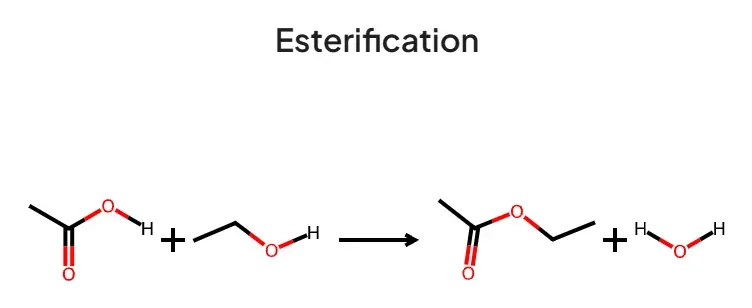
Yes. Polar draws molecules on the whiteboard, like a DNA building block with its phosphate, sugar and base. It writes out reactions too, such as acetic acid and ethanol giving ethyl acetate and water.
Yes. Talk to Polar the way you would to a teacher, and cut in whenever something doesn't add up. Ask where the oxygen in photosynthesis comes from, for example, and Polar answers right away: from splitting water.
Yes. Upload PDFs, Word documents, PowerPoint slides, or photos of your notes and homework, and Polar teaches from them. On the free plan, it reads the first 10 pages of a longer document.
Yes. The free Little penguin plan includes a one-time amount of voice time with the AI Tutor, and time by typing every month. Polar Pro gives you more tutor time for longer or more frequent study sessions.
Practice on your phone, or open StudyPolar in your browser for live AI tutoring and interactive whiteboard lessons.